

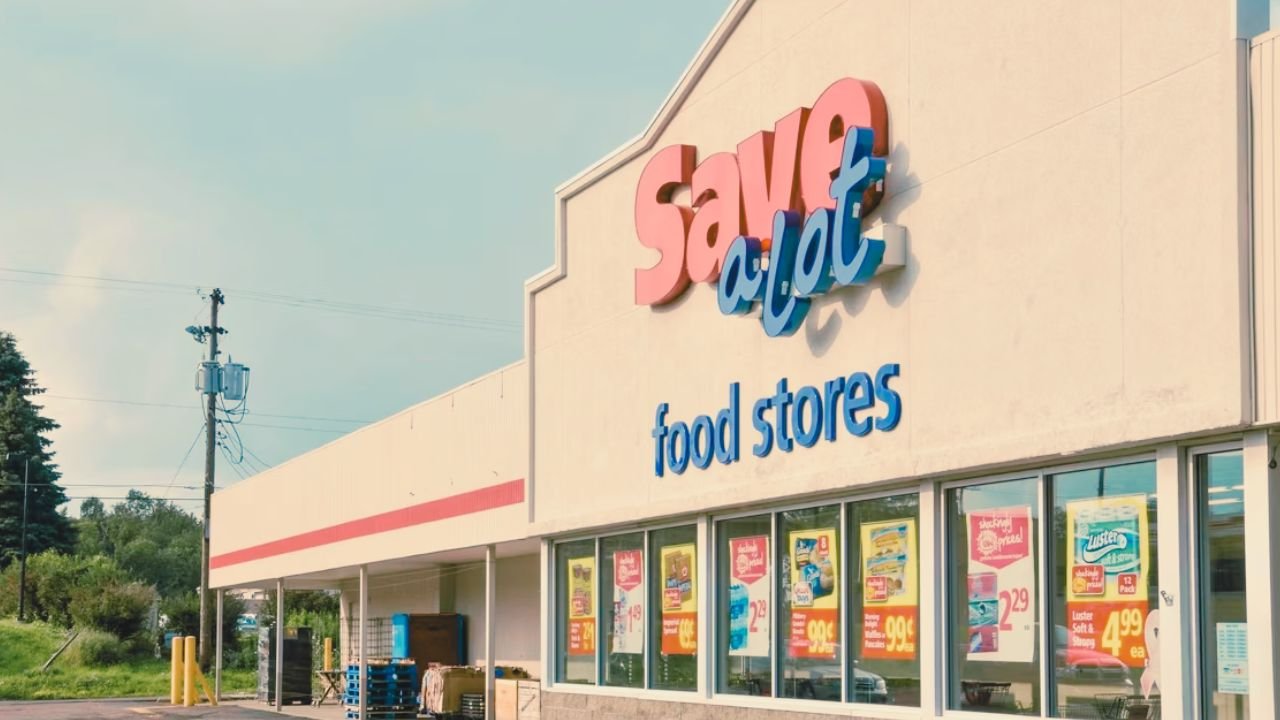
Recent headlines about Save A Lot store closures have left many shoppers asking the same question: is the discount grocery chain shutting down for good? The short answer is no — but the full picture is worth understanding, especially if you shop at a local Save A Lot and want to know whether your store is at risk.
This article breaks down what is actually happening — why certain stores are closing, how the company’s business model works, and what shoppers need to know before drawing conclusions from local news reports.
Save A Lot Is Not Going Out of Business — But Some Stores Are Closing
To be direct: Save A Lot has not announced a nationwide shutdown. The company has not filed for bankruptcy, and no credible source confirms that the entire chain is being liquidated.
What has happened is that multiple individual stores have closed across different states over a relatively short period. When closures happen in several cities at once, it can look like a chain is collapsing — but that is not the same as a company-wide shutdown.
According to reporting from Supermarket News, Save A Lot continues to operate as a wholesaler and licensor after selling its last company-owned stores to Leevers Supermarkets. That means the brand itself is still active. The stores that are closing are shutting down for their own local reasons, not because Save A Lot corporate issued a directive to close everything.
Understanding this distinction — between brand-level stability and store-level risk — is the key to reading these headlines accurately.
How Save A Lot’s Business Model Works
Save A Lot does not operate like a traditional grocery chain where the company owns and runs every location. Instead, it works through a network of independent licensees — operators who run Save A Lot stores under the brand’s name while the parent company supplies products and provides the license to operate.
Think of it as similar to a franchise model. If a McDonald’s franchise owner closes one location, that does not mean McDonald’s as a company is going out of business. The same logic applies here.
Save A Lot sold its last directly owned stores to Leevers Supermarkets, completing a shift to a fully licensor-based model. Today, the company’s main role is as a wholesaler and brand licensor. Individual operators handle the day-to-day running of their stores.
This structure has a practical consequence: when one operator closes a store — or even several stores — it reflects that operator’s financial situation, not necessarily the health of the Save A Lot brand overall. A closure in Chicago does not affect a Save A Lot location run by a different licensee in Virginia or Florida.
The Chicago Closures and the Yellow Banana Situation
The most widely covered recent closure story involves seven Save A Lot stores on Chicago’s South and West sides. These stores were placed at serious risk of closure because of financial problems with their operator, a company called Yellow Banana.
According to reporting from CBS News Chicago and the Chicago Tribune, Save A Lot informed the city that it intended to end its licensing agreement with Yellow Banana. The stores faced closure unless Yellow Banana could secure new investment or another qualified operator stepped in.
This is a critical detail: Save A Lot did not decide to abandon Chicago. Rather, one specific licensee ran into financial headwinds, putting the stores it operated at risk. The situation was about one operator’s problems, not a corporate decision to exit the market.
The stakes in this case go beyond business news. Many of the affected locations serve lower-income communities on Chicago’s South and West sides — areas where residents often rely on nearby grocery stores and may not have easy access to alternatives. For those communities, losing a Save A Lot is not just an inconvenience; it can meaningfully affect access to affordable food.
A Pattern of Local Store Closures Across the Country
Chicago is not the only city where Save A Lot stores have closed or announced closures recently. Reports from multiple outlets point to exits in several states:
- Newark, New Jersey — A location closed, reported by The Sun.
- Kansas City, Missouri — Another closure confirmed by the same outlet.
- Syracuse, New York — A local store shut down, with Syracuse.com citing changing market conditions.
- Hopewell, Virginia — A Save A Lot that had operated for 27 years closed, with the company citing changing market dynamics, according to Capital Digest.
- Parts of Florida — Multiple closures reported by the Herald-Tribune.
- Springfield — Additional closures noted in regional coverage.
Each of these closures has its own context. Some are tied to lease decisions. Others reflect shifting local demographics, increased competition from larger chains, or the economics of running a small-format discount store in a particular market.
Taken together, this pattern shows real pressure on parts of the Save A Lot store network — but it does not constitute a coordinated corporate wind-down. These are store-level events, each shaped by local circumstances.
Why Individual Save A Lot Stores Are Under Pressure
It helps to understand the broader environment that discount grocery retailers are operating in right now. Independent licensees running smaller-format stores often face tighter margins than large chains. Rising costs — including labor, logistics, and rent — can push operators into difficult financial territory.
At the same time, competition in the discount grocery space has intensified. Chains like Aldi and Lidl have expanded aggressively in many U.S. markets. Dollar stores have also moved into food retail in a meaningful way. This puts pressure on smaller operators trying to compete for price-conscious shoppers.
When an independent licensee cannot make the numbers work, they may choose to close a location or exit the Save A Lot network entirely. That decision belongs to the operator, not Save A Lot corporate.
This is why the franchise-like model is both a strength and a vulnerability for the brand. Save A Lot as a company is insulated from individual store failures — but it also depends on its licensees staying financially healthy. When operators struggle, stores close, and the brand’s footprint shrinks in those areas.
What Shoppers Should Know About Their Local Store
If you shop at a Save A Lot and are wondering whether your location is at risk, the most reliable approach is to check local news sources for your specific area. A closure in Chicago or Newark does not tell you anything definitive about a store in a different state or city.
Here are a few practical things to keep in mind:
- If your Save A Lot is operated by a licensee that is in good financial standing, there may be no immediate threat to your location.
- If you notice reduced stock, shortened hours, or local news reports about your specific store, those are more direct signals worth paying attention to.
- Save A Lot’s store locator on its website can confirm whether a location is still listed as active.
- Even if a nearby Save A Lot closes, the brand may still have other locations in your region operated by a different licensee.
The broader point is that no blanket statement about the chain covers every store. The licensed operator model means each location’s fate is partly tied to who runs it and how that operator is performing.
For ongoing coverage of business developments like this one, Today Business Point provides reliable reporting on retail and industry trends.
The Bottom Line
Save A Lot is not going out of business. The company continues to operate as a wholesaler and licensor, and the brand remains active across a network of independently operated stores. However, a meaningful number of individual locations have closed in recent months, driven by operator-level challenges and local market pressures.
The closures in Chicago, Newark, Syracuse, Hopewell, Kansas City, Florida, and elsewhere are real and significant — particularly for the communities that depended on those stores for affordable groceries. But they represent store-level exits, not a confirmed chain-wide collapse.
The right way to read these headlines is with that distinction clearly in mind: some Save A Lot stores are closing, and the network is under pressure in certain markets. That is a genuine story worth following. It is not, however, the same as the entire brand disappearing.
If you have concerns about your local store specifically, local news coverage and direct confirmation from the store itself remain the most accurate sources of information.
Also Read: